
TABLE OF CONTENTS
Building the DigitalSwift One Sales App
What I Learned at a Room Full of Architects
I Started Reading Manga. I Wasn't Expecting This.
AI, Personal Brands, and Who Actually Wins
Building Something Real Is Harder Than Building Something Clever
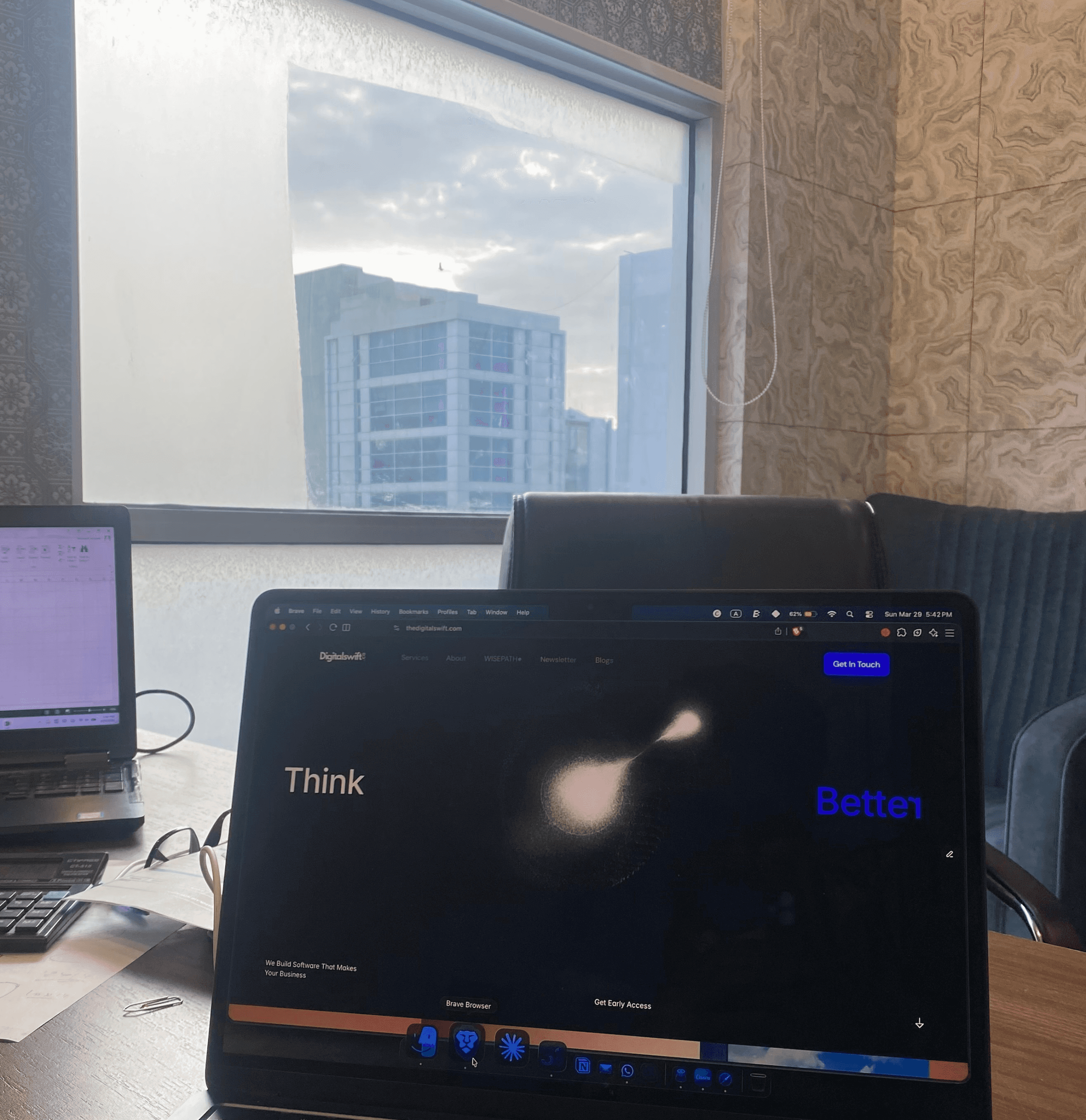
We're in beta now with the DigitalSwift One Sales app. After months of design decisions, that's where we are in the hands of real users, getting real feedback, finding out what we got right and what we convinced ourselves was right.
The app has one core job. A salesperson types in the name of a company they want to reach. AI agents pull everything relevant from that company's online presence and surface it instantly. No manual research, no tab-switching, no lost time before a cold call. That's the whole idea and it sounds simple until you're actually building it.
The honest challenge was this: I had an opinion about what salespeople needed. Users had a different one. Early on I thought we could adapt from an existing system, take what was already built and reshape it into something new. That idea died quickly. You can't borrow the bones of something built for a different purpose and expect it to carry your vision. We would have been building on the wrong foundation from day one.
So we went back and built it properly. The beta is cleaner for it.

The People Who Actually Move Business
I went to a business event for construction companies and architects last week. Networking, mostly the kind of room where you go in with an agenda and come out with something different than what you expected.
I met architects, project managers, people doing interesting work in a sector I don't spend much time thinking about. The conversations were good. But the thing I walked away thinking about wasn't any individual conversation it was a pattern I kept noticing across all of them.
In the construction industry, the people who actually drive business decisions are not always the ones with the biggest titles. It's the project managers and the architects. They're the ones recommending suppliers, contractors, consultants — the ones whose word moves a deal forward or stops it. They are the gatekeepers, and most people selling into that industry are talking to the wrong room.
That's a lesson that applies well beyond construction. In every industry there's a person whose recommendation carries disproportionate weight. Find that person before you find the budget holder.
I Read the Final Chapter of Chainsaw Man Without Knowing It Was the End
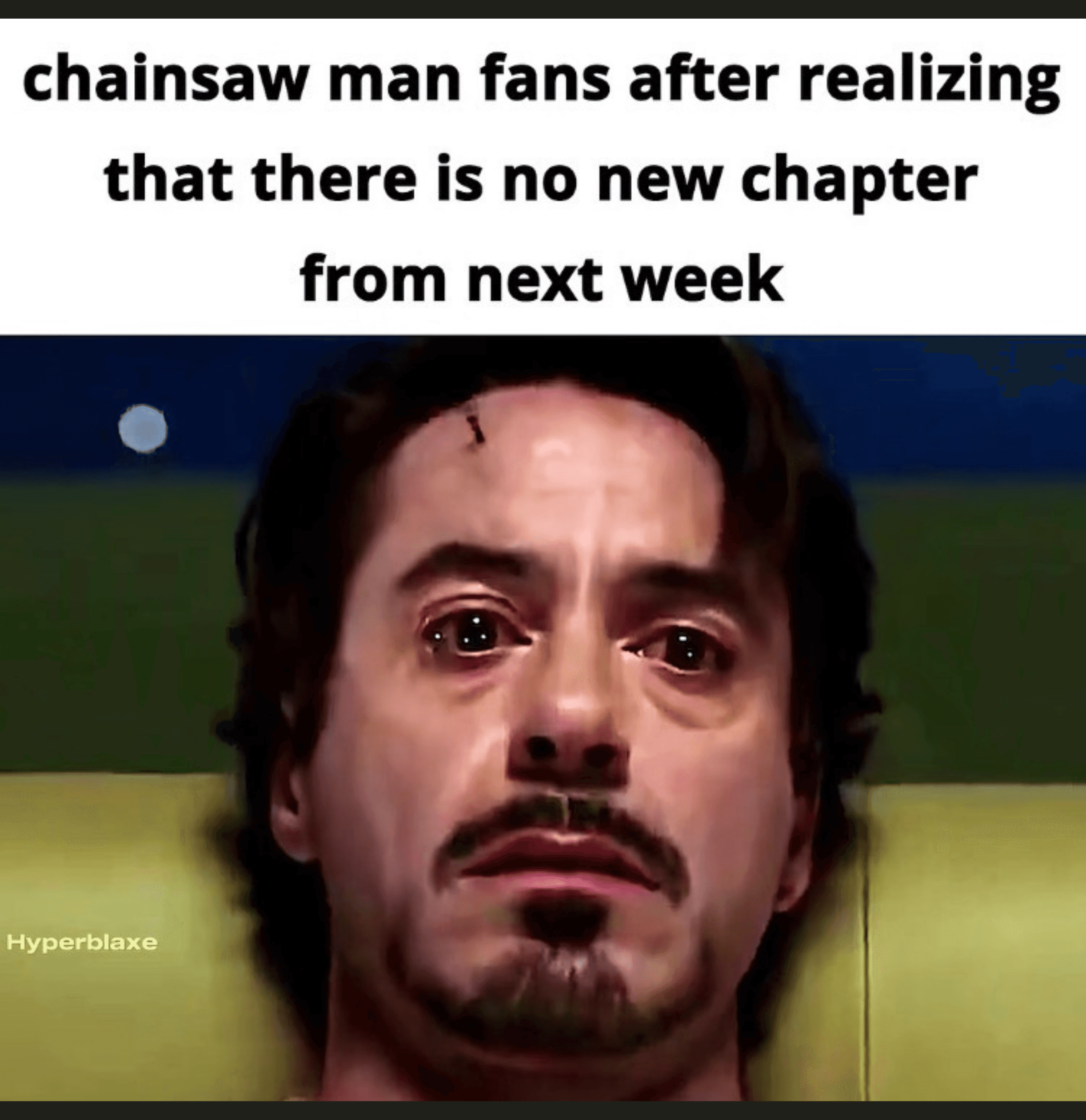
I came to manga late. One Punch Man first — someone recommended it and I understood why immediately. Then Vagabond, which is a different thing entirely, slower and more serious. Then Chainsaw Man. And then, without any warning, I read the final chapter without knowing it was the final chapter.
That's a specific feeling. You finish a chapter, you go to click the next one, and there's nothing there. I sat with that for a minute. I've had that feeling with books before but never quite like that.
And Chainsaw Man. I don't even know where to start with that one. The whole thing is an emotional rollercoaster from the first chapter to the last. I mean that literally, because I read the final chapter without realising it was the final chapter. No warning. No build-up. Just over. Nothing after this. I sat there for a moment genuinely not knowing what to do with myself. If you're a fan you already know exactly what that feels like. If you're not, just know that when it ends, it ends, and you will not be ready.

This panel hurt more than I expected. You'll understand when you get there.
AI Is Moving Fast. Perspective Is What It Can't Replace.
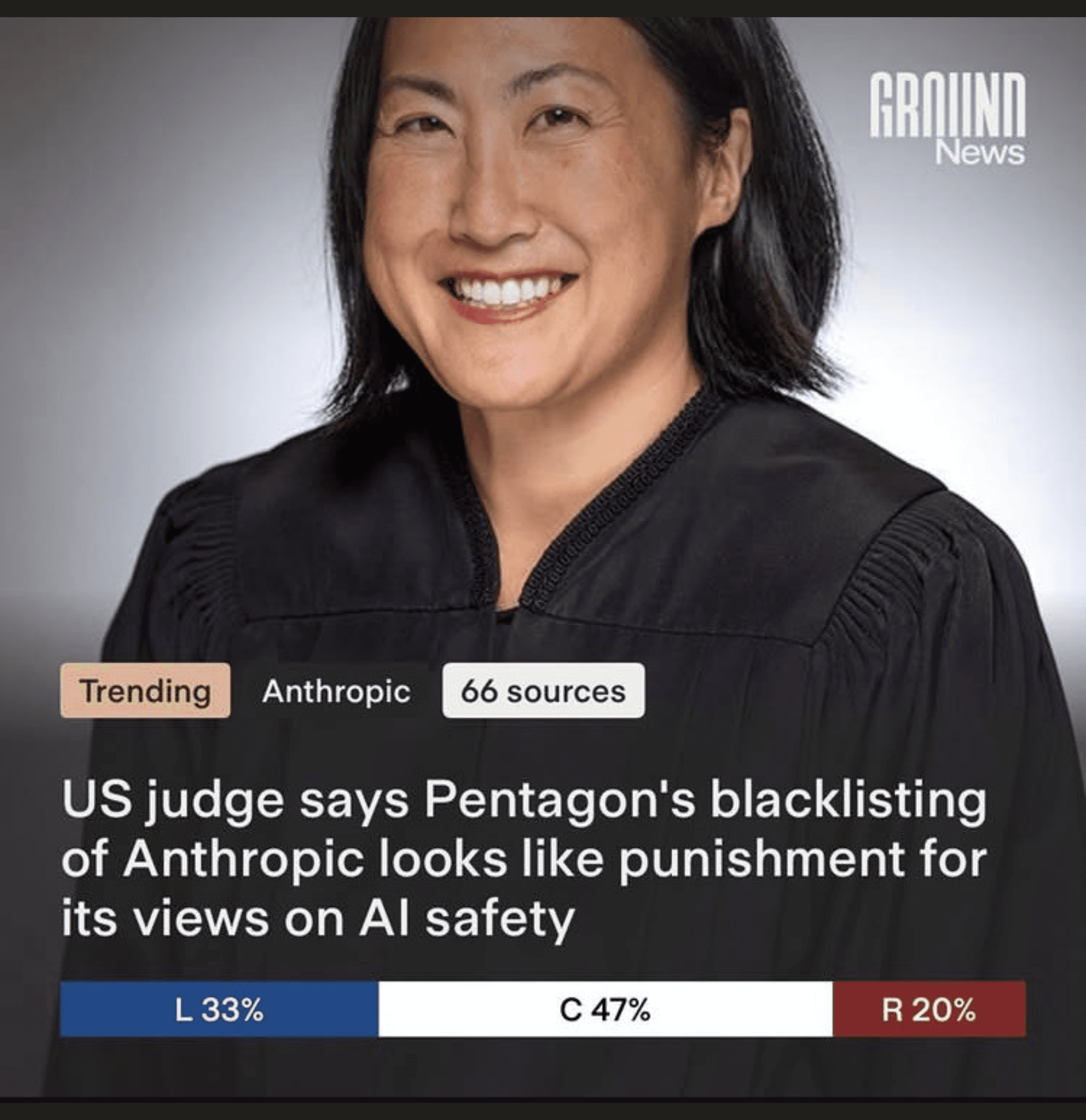
The Pentagon's response to Anthropic — a judge had to step in and call it what it looked like, which was punishment for taking AI safety seriously — tells you something about where the priorities actually are. Not just in government. Across the board. The race is the point. Safety is secondary at best.
What that means practically is this: the big players are not building toward utility. They're building toward integration — getting AI as deep into your daily life as possible because that's where the money is. Small companies like ours can make a different choice. We can build things that are actually useful, for people who need them to work, without the agenda of capturing attention for its own sake.
But here's the thing I keep coming back to. Everyone is trying to predict exactly how this unfolds, which tools survive, which jobs disappear, which companies win. I think that's the wrong question. The right question is what can't be replicated — and the honest answer is perception. How you read a room. How you make a decision under pressure with incomplete information. The particular way you operate, which is different from the way anyone else operates.
That's not a comforting thought dressed up as insight. It's genuinely the only defensible position I can see. Build your perspective. Make it distinct. That's what stays yours.

We hope you have enjoyed this newsletter, and thank you for subscribing!